

Articles by Shakir Williams
Join Our Mailing List
Receive special deals and more, right to your inbox
Recommended Products

$257.99Each
CEC163TW

$249.99Each
FFI10HBX1

$24.99Each
T522-W


$32.08Pack of 20
BVS2


The top-selling USI-SS-770-24CC smoke alarm allows for easy installation and features a dual chamber ionization sensor that detects fires early. This alarm features an audible low battery indicator, a loud 85 decibel chirp, and an alarm and power test button.

The AC hardwired USI-1204 works great in both residential and commercial applications. This alarm comes with a protective cover and a backup battery in the case of a power outage.

Before you purchase your electrical or lighting products, ensure that they meet the safety standards and requirements and have certifications. You want to buy a UL or ETL listed product, which ensures your product does not cause anyone harm.
Recommended Products
$257.99Each
CEC163TW
$249.99Each
FFI10HBX1
$24.99Each
T522-W
$32.08Pack of 20
BVS2

LEED rates buildings on their energy-efficiency, water efficiency, waste reduction, and other sustainable practices. Many industrial and commercial buildings throughout Georgia qualified for LEED certification.
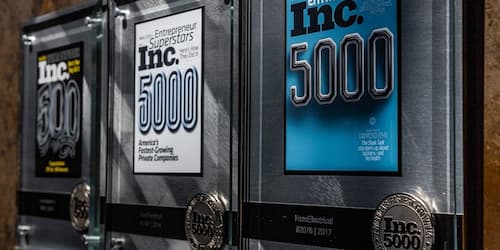
A wholesale distributor of commercial electrical supplies and LED light, HomElectrical made the 2017 Inc 5000 list for the third consecutive year. HomElectrical is honored to be included on this list and only hopes to continue to grow.

To become a LEED certified building, you must complete four steps: register, apply, review, and certify! After the review gets accepted, the GBCI can certify your building project with one of four certification levels.

Score high on your next project with a few tips! See how you can improve on water efficiency, innovation of design, energy and atmosphere, sustainable sites, and many more categories.

LEED certification identifies the design and construction of a building that’s energy efficient, water-efficient, and follows sustainable waste-reducing practices. Score high in each credit category to achieve one of four levels: certified, silver, gold, or platinum certifications.

A LEED Green Associate means an introductory level of accreditation which signifies a general understanding of the LEED rating system. The LEED exam to become a Green Associate are administered by the national testing agency Prometric and are run by GBCI.

LEED certification demonstrates steps taken to ensure a building’s durability, energy-efficiency, and its impact on the environment. Becoming LEED certified provides assurance that your building’s design and operation exist at the highest environmental standards.

LEED certification provides assurance in a building’s air quality, water efficiency, waste reduction, and other sustainable practices. Additionally, LEED certification provides a stamp of quality for a greater return on your investment.

LEED stands for Leadership in Energy and Environmental Design. LEED rates green buildings and ensures they maintain sustainable practices.

LED streetlights can reduce your utility bill while still providing optimal brightness. See how LED street lights compare to fluorescent and high-pressure sodium lights.
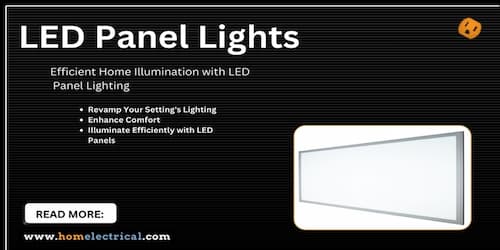
LED panel lighting makes a great replacement for fluorescent troffer lights and see use in a variety of residential and commercial applications. Read our guide to learn how the pros of LED panel lights outweigh the con and learn the difference between panel and troffer lights.

The green initiative remains a high priority due to new regulations, rising energy costs, and raising sustainability programs. See how utility companies determine your energy bill and how peak demand can affect this!

Before you can heat your space, you need to choose the right kind of heater. Read our guide to learn about the different types of heaters and find the one that works best for you.
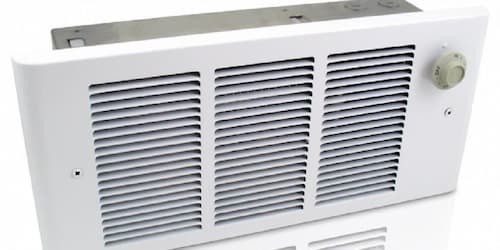
When choosing a heater, you need to choose the right voltage: either 120V and 240V. Read our guide to learn the differences between 120V and 240V and how to figure out which one you need.

LED lighting continues to rise in popularity. Versatility in LED lighting makes them far superior to traditional lighting due to their flexibility, durability, long-lasting, and energy efficiency.

LED lights come in different shapes, sizes, and bases that all work best in different spaces. When choosing a light bulb, consider the light function, type of light bulb, brightness or lumens, color temperature, and fixture type.

You may know that LED bulbs generate less heat than their traditional counterparts, but how does that process work? By generating less heat, LED bulbs save you more money and energy than traditional bulbs.