

Are Cadet Heaters Expensive to Run?
No! Cadet heaters are considered cost-effective options in the heating market. However, determining the exact cost to run them is a little tricky, as many factors affect your heating cost. Ask yourself the following questions when determining heating cost:
- What is the current outside temperature?- The outdoor temperature plays a significant role, as colder weather during winter months generally increases heating costs.
- What room temperature do I want to maintain? - The desired indoor temperature affects how much energy is required; higher settings lead to higher costs.
- How big is the room I want to heat?- The size of the room also matters, with larger spaces needing more energy to heat.
- How effective is the room’s insulation?- Well-insulated walls help retain heat and reduce heating bills.
- What type and amount of furniture is in the room?- The size, placement, and type of furniture (wooden, metal, or fabric) directly impacts airflow and how heat spreads in your living space.
- What is the rate of electricity in my area?- Local electric rates influence the overall expense of operating the heater.
Other factors can affect energy costs. These include the number of windows, the type of ceiling, and the number of occupants. A reliable and efficient heater can help manage these variables effectively.
Estimating the Cost of Cadet Heating
Most electrical cost estimates assume that the heater is constantly operating. This is an unlikely scenario, as properly sized heaters will quickly shut off after reaching the set temperature to save energy. With a simple formula, you can at least find the cost of electricity to run a heater for one hour straight.
To get the cost per hour, multiply kilowatt hours by the local rate of electricity or simply:
Cost/hr = KW x local rate
Local rates are determined by kilowatt-hours. To convert into kilowatt-hours, divide the maximum wattage of the heater by 1000. The result tells you the amount of electricity used in one hour.
For our example, lets use a 1100W heater, with a kilowatt-hour of 1.1, assuming the local rate is $.10 per kW our formula would be the following:
1.1 kW x $.10 = $.11/hr
This means it would cost you $.11 per hour of heater operation. Multiplying $0.11 times 24 hours gives us a daily cost of $2.64.
Recommended Products



Best Cadet Heaters Costs for Budgets
Selecting the right heater is crucial for budget-conscious homeowners to avoid high energy costs. This ultimately reduces energy consumption and saves you money.
To avoid high costs, Cadet Heater features a selection of budget-friendly heater products, such as:
- Wall Heaters:(range from $130 to $200)
Easy to install and ideal for maintaining electric heat in smaller spaces. Cadet wall heaters optimize wall space to circulate air through a room. Cadet Heat's wall heaters use fan-forced technology for quick heating that's 30% more efficient than the competition.
- Baseboard Heaters:(as low as $50 up to $450)
Cadet baseboard heaters are a practical choice for evenly distributing heat along the length of a room. These Cadet electric heaters are easy to install and provide consistent, efficient heat, making them suitable for both residential and commercial spaces.
- Perfectoe Heaters:(from $175 to $240)
Also known as kickspace heaters, are designed to discreetly fit into lower wall areas or behind furniture. These electric heaters offer space-saving heat in kitchens, bathrooms, or other spaces where larger units won't fit.
- Cadet Industrial Garage Heaters:(from $200 to $500)
Cadet garage heaters are perfect for keeping your workspace or garage warm. Electric garage heaters withstand debris build-up and heat large, poorly insulated areas. Many also use these Cadet electric heaters as portable/space heaters. Note: As of 2026, these models have been discontinued.
Tips for Maximizing Heating System Savings
You can make simple changes to improve your heater's heat output, helping the heater run at its best. These adjustments include:
- Cleaning the Filter: Prevent buildup to keep your heater efficient.
- Sealing Drafts: Stop heat loss around windows and doors.
- Programmable Thermostat or Smart Thermostat: Set heating schedules to reduce waste.
- Zone Heating: Focus heat only on individual rooms.
- Improve Insulation: Retain heat and reduce heater use.
- Reinstallation: May be required if the unit was improperly installed, sized incorrectly, or experienced a critical failure.
In short, maintaining your unit after purchase helps avoid costly replacements and unexpected charges on energy bills. Talk to a heating professional about ways to optimize your heating system for maximum savings.
No More to High Costs
Although, your actual heating costs may vary, Cadet Heat's product catalog brings the heat without breaking the bank! With a variety of sizes and styles to choose from, you can invest in the perfect fit for your space.
Recommended Reading
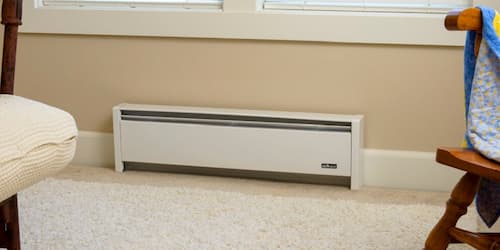
Cadet heaters compliment your central heat and come in a variety of sizes, styles, and uses. Discover more about the benefits of Cadet heaters!
With the increasing popularity of wall fan heaters, we encourage you to take a look at our Employee's Choice the Cadet Energy Plus Wall Heater! This heater features the perfect size for bedrooms, home offices, and guest rooms.
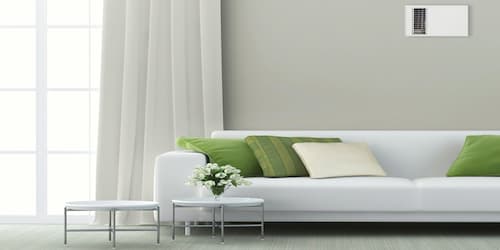
The Cadet Apex72 Electric Heater has been recalled due to a risk of overheating, which can pose a fire hazard. This recall affects specific heaters, and consumers should stop using them and contact Cadet for a replacement or refund.
Learn how to troubleshoot common issues with Cadet heaters from Homelectrical, addressing power problems to temperature inconsistencies. This guide offers practical solutions to keep your heater running efficiently.
Recommended Products
Receive special deals and more, right to your inbox
Receive special deals and more, right to your inbox