


Wall Heater Master Guide
Wall heaters provide targeted heat for individual rooms without relying on a central duct system. Depending on the model, they may use electricity, natural gas, or propane to produce heat.
This guide explains what a wall heater is, how wall heaters work, how to use one, thermostat basics, installation, and routine maintenance. If you are trying to choose a heater for your space, visit our Wall Heater Buyer's Guide for sizing, voltage, features, and product recommendations.
What is a Wall Heater?
A wall heater is a fixed heating appliance mounted on or recessed into a wall to heat an individual room or zone. Unlike a central HVAC system, a wall heater does not need ductwork to distribute heat throughout the building.
Wall heaters are commonly available as electric or gas models.
- Electric wall heaters use electrical resistance to produce heat
- Gas wall heaters burn natural gas or propane to produce heat
- Some models use fans to move warm air through the room, while others rely on natural convection
Their compact design makes wall heaters useful for bedrooms, bathrooms, offices, workshops, entryways, and other areas that need independent or supplemental heat.
Recommended Products


How Does a Wall Heater Work?
Wall Heaters produce heat directly inside the room rather than sending conditioned air through a central HVAC system.
How Do Electric Wall Heaters Work?
Electric wall heaters convert electrical energy into heat using an internal heating element. Many fan-forced models do the following:
- Pull cooler room air into the heater
- Warm it with an internal heating element
- Use a fan to circulate the heated air back into the room
- Once the thermostat set temperature is reached, the heater cycles off
- Other electric models distribute heat through natural convection rather than a fan.
How Do Gas Wall Heaters Work?
Gas wall heaters burn natural gas or propane to produce heat. How that heat is distributed, vented, and controlled depends on the heater's design.
In either case, a thermostat helps control room temperature by telling the heater when heat is needed.
For a closer comparison of the two heating types, see our Gas vs. Electric Wall Heaters: Which Should I Buy? guide.
How Do You Use a Wall Heater?
How you use a wall heating unit depends on the model and its controls.
For most electric wall units, you set the desired room temperature using either a built-in thermostat or a separate wall thermostat. The heater cycles on and off as the room temperature changes.
Gas wall heaters may use a standing pilot, electronic ignition, or another control system. Startup procedures vary by model, so always follow the manufacturer's operating instructions rather than using a general ignition procedure.
For either heater type:
- Keep air intakes and outlets clear
- Use the thermostat to control normal operation
- Follow required clearance instructions
- Stop using the heater if it repeatedly shuts off, produces unusual odors, or appears damaged
Wall Heater Thermostats: How Do They Work?
A wall heater thermostat senses room temperature and controls when the heater turns on and off.
When the temperature falls below the thermostat setting, the heater turns on. Once the room reaches the selected temperature, the thermostat stops the heating cycle.
Wall heating units come in one of two control styles:
- Built-in thermostat: The controls are located directly on the heater
- Wall-mounted thermostat: The thermostat is installed separately and controls the heater from another location
Electric heaters often use line-voltage thermostats, but thermostat requirements vary by heater. Always confirm that the thermostat is compatible with the heater's voltage, wattage, amperage, and control system.
For more information, see our guide to Built-in vs Wall Thermostats.
All About Wall Heater Installation
The installation process varies by the heater type, available power or fuel source, wall location, and the manufacturer's requirements.
For an electric model, installation may include:
- Verifying the required voltage and wattage
- Checking your circuit capacity
- Installing the wall can or mounting enclosure
- Routing the electrical wiring
- Connecting the heater and thermostat
- Checking required manufacturer and building code clearances
DISCLAIMER: Gas wall heater installations may require a gas supply, combustion-air considerations, and a venting system depending on the model.
Because installation requires electrical and/or gas line connections, always hire a qualified electrician to install your heater. For a step-by-step breakdown, read How to Install Electric Wall Units.
Wall Heater Maintenance: What’s Required?
Basic wall heater maintenance focuses on keeping the heater clean, maintaining proper airflow, and watching for signs of damage.
Make sure to turn the electric wall unit off and allow the unit to cool before attempting to clean it. When cleaning, remove any dust or lint, following manufacturer's guidelines.
Gas wall heaters may require additional inspection of burners, ignition systems, venting, and other combustion-related components.
Remember to:
- Clear Blockages: Keep furniture, curtains, and other objects away from airflow openings
- Stay Observant: Watch for unusual noises, overheating, or visible damage
If a heater repeatedly shuts off, trips a safety control, has damaged wiring, develops unusual odors, or does not operate normally after basic cleaning, call a professional. Learn more about troubleshooting your wall heater by reading our blog, Why Does My Wall Heater Keep Turing Off?
Summary
Wall heaters are a practical way to provide heat to individual rooms without relying entirely on a central HVAC system. You need to understand how they work, how thermostats control them, what installation involves, and how to maintain wall units for safe operation.
Ready to choose a heater? Visit our Buyer's Guide to help comparing room size, wattage, voltage, features, and available heater options.
Call today for contractor pricing and pallet discounts!
Recommended Reading

With the increasing popularity of wall fan heaters, we encourage you to take a look at our Employee's Choice the Cadet Energy Plus Wall Heater! This heater features the perfect size for bedrooms, home offices, and guest rooms.

Discover the intricacies of wall heaters in this blog, examining the factors that may lead to their intermittent shutdowns. Uncover insights into potential issues, ranging from thermostat malfunctions to electrical problems, and gain valuable troubleshooting tips for maintaining consistent heating performance.
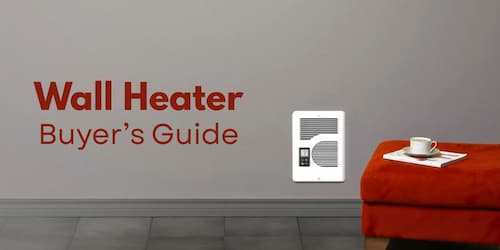
Wall heaters are compact, hardwired units ideal for heating small spaces like bathrooms and offices without extending HVAC systems. They come in various wattages and thermostat types, requiring proper installation and wiring to ensure safety and efficiency.

When cool temperatures begin to set in, you might consider gearing up with additional heating appliances for your home. Check out our guide to see how a wall heater installation ranks as the one of the most efficient options for your indoor spaces!

Recommended Products
Receive special deals and more, right to your inbox
Receive special deals and more, right to your inbox