


Wall Heater Thermostats: Built-in vs External (When & Why)
What is a wall heater thermostat?
A wall heater thermostat, also known as heater control, is a device that controls the temperature of a space. It works by sensing the temperature of the room and activating the heater when it drops below the set temperature.Wall heaters will have one of two types of thermostats to control temperature: a built-in or wall thermostat.
- Built-in thermostats are installed in the unit to control the temperature through a knob or button control.
- Wall thermostats, or external thermostats, install on wall surfaces, communicating with wall heaters to regulate indoor temps. Common placements are around 5 feet from the floor on an inside wall.
Recommended Products


What problems does a wall heater thermostat solve?
Because the wall heater thermostat regulates the temperature of the room, it reduces energy waste, temperature inconsistency, and reduces energy bills by preventing the heater from constantly running.
Built-in vs External Wall Thermostat
- Lower upfront cost.
- Single unit; no reliance on external technology.
- Works during internet outages.
- Remote control access from anywhere.
- Energy efficient through schedules and adaptabilities.
- Precise control and customization.
- Ability to integrate into larger smart home ecosystem.
When should you use each?
If you’re on a tight budget or home all day, consider a built-in thermostat for your needs. This is ideal for basic functions and the most budget friendly option.
External ThermostatIf you’re looking for smart features with customizable heating schedules, remote access, or aiming for more energy efficiency, consider an external thermostat for your needs. A smart thermostat is best for households with varying schedules, maximizing energy efficiency with remote controls.
Both built-in and wall thermostats regulate temperature to maximize the efficiency of heating in your space, so depending on these cost considerations, energy savings, installations, or smart home compatibilities, you may want to consider one over the other.
What should you know before installing a wall heater thermostat?
Before installing a wall thermostat, be sure to read over these details:
Compatibility- Check the voltage compatibility between your heater and thermostat with the home’s voltage. The breaker room should have the voltage information.
- Because wall heaters need a dedicated circuit, ensure the electrical capacity of your electrical system. An electrician can upgrade your system from a fuse box to a circuit breaker system.
- A thermostat should be placed away from windows, doors, or heat sources, like harsh light or sunlight. This would interfere with the heat sensing of the thermostat.
- Avoid placing the thermostat near windows or air vents, which can also interfere with the heat sensing.
- The most ideal placement would be on an adjacent inside wall; to sense the rooms overall temperature rather than heat from the heater itself.
Recommended Reading

Explore the advantages and drawbacks of wall heaters in our insightful guide. Discover the pros and cons to make informed decisions for effective home heating solutions.

When cool temperatures begin to set in, you might consider gearing up with additional heating appliances for your home. Check out our guide to see how a wall heater installation ranks as the one of the most efficient options for your indoor spaces!

Heaters come in a variety of options and sizes, so how do you find the right one for your space? Read our guide to learn the differences between each type of eater and the proper applications for each.
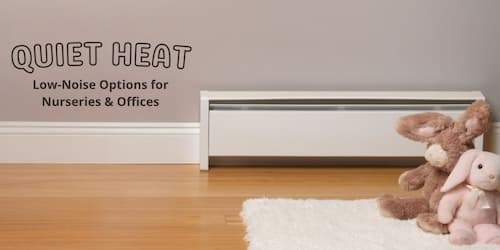
Looking for the best quiet electric heater for your nursery or office? Discover low-noise baseboard, wall, and toe-kick heaters under 40 decibels, at HomElectrical today!

Recommended Products
Receive special deals and more, right to your inbox
Receive special deals and more, right to your inbox