


Parking Lot Lights ROI: Photocells & Controls
What is a photocell? How does it work?
A photocell, also known as a photoresistor or light-dependent resistor (LDR), is a device attached to a lighting fixture that is used to detect outside light. From there, it adjusts its resistance in the circuit depending on the light input. Resistance prevents the electrical current from flowing through it. The more light detected, the higher the resistance. If no light is detected, there is no resistance, which allows the electrical current to flow and activate the light.
Recommended Products


What are the benefits of photocells and remote controls for parking lot lights?
One of the main benefits of photoresistors for parking lots is the large amount of energy saved. By automating parking lights, light function is based on the amount of light naturally occurring. This also minimizes the amount of maintenance, like during daylight savings and inclement weather.
Another benefit of photocells is consistency in safety. Guaranteed light during dark hours in parking lots ensures increased visibility as well as deterring crime.
For remote controls, centralized management as well as data feedback help adjust settings for maximized energy efficiency. They can also be integrated into existing systems, like security, to get real time alerts. This combination of energy and savings means a faster return on investment within a few years.
How can you get a return-on-investment using photocell attachments and remote controls?
Because photocells and remote controls are automated and require minimal maintenance, the largest investment would be the initial purchase and installation. Around 50% to 90% of savings is possible with LED lights with photoresistors.
What should you know before installing a photocell attachment?
Conventional lighting and LEDs can both use photocells. Conventional sensors are used with traditional fixtures: Compact fluorescents (CFLs), Metal halide (MH), High pressure sodium (HPS). LED sensors are only compatible with other LED fixtures. Incompatibility between photocells and light fixtures can cause flickering, premature burnout, or failure to work completely. Choosing a photoresistor with the correct compatibility is essential for smooth functionality.
Voltage and wattage is another specification to keep in mind when looking to install light dependent resistors. Be sure to match the system voltage as well as checking that the resistor can handle the total wattage if multiple are on one circuit.
Lastly, mounting style and sensor positioning are essential to adapting to where you are installing the resistors. There are multiple mounting styles: Locking-type, stem mount, swivel mount, or a fixed position. Positioning the sensor facing north is the most ideal position in the northern hemisphere to maximize energy savings. This avoids inaccurate triggers from sunlight or other light sources.
- Locking type:These install directly into the fixture. They are best for commercial use with large fixtures, like parking lots.
- Stem type:These are the easiest to install as they are mounted directly to a port on the fixture as well as being able to be remote mounted. They can both be used commercially and residentially.
- Stem and swivel type:These are the same as stem type fixtures, but they can be rotated as needed to either face towards or away from the sun. They are best for when flexibility for positioning is required, like under overhangs, corners, or other hard to reach areas.
- Fixed position:These install directly onto a wall or onto the side of the light fixture. They are best used commercially, like roadways, parking lots, and lighting for landscapes.
Summary
To finish up, photocells and remote controls are a great way to save money and energy with minimal maintenance. Photo controls can be installed in most lighting fixtures, as long as compatibility is kept in mind. Automate dusk-to-dawn lighting, security lighting, or even indoor lighting to adapt to your surroundings.
Recommended Reading
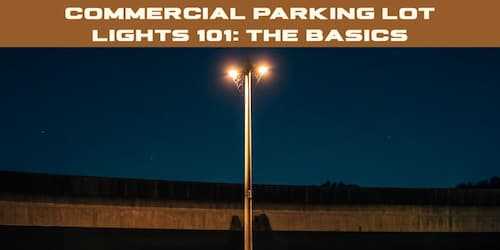
Parking lot lights are essential outdoor lighting systems that enhance visibility, safety, and security in commercial and public spaces, especially during nighttime hours. LED options offer energy efficiency, cost savings, and environmental benefits, making them a superior choice over traditional HID lighting.

LED parking lot lights deliver high-lumen output, low maintenance, and fast payback for commercial properties. Contractors can maximize savings and performance by switching from old HIDs to LED shoebox fixtures.
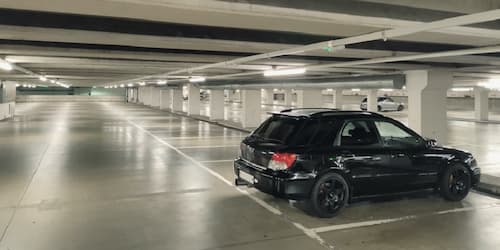
LED lighting in your parking garage reduces crime and invites customers in. When purchasing lights for your parking garage, consider the beam angle, lumen count, and color temperature.

LED Jelly Jar lights are durable and energy efficient lighting solutions for parking lots, offering versatile mounting options and effective illumination in harsh conditions. They provide even light distribution, reduce maintenance costs, and enhance safety, which makes them ideal for commercial and industrial areas.

Recommended Products
Receive special deals and more, right to your inbox
Receive special deals and more, right to your inbox