

Baseboard Heater Buyers Guide
TL;DR: When planning to purchase a baseboard heater, there are several factors to keep in mind. These factors include:
- Room Size and Heat Demand: Helps you choose the correct wattage
- Available Voltage & Circuit Capacity: Ensures the heater matches your home's electrical system
- Thermostat & Accessories: Ensures the heater installs and controls correctly
Having and reviewing this information helps you choose a model that better fits your room and electrical system.
Commonly known as baseboard heaters or baseboard wall heaters, these zoned heat devices usually use convection heat. Baseboard heaters provide quiet, room-by-room heating without ductwork. They are mostly used for supplemental or zoned heat in bedrooms, offices, apartments, and other individual rooms.
Most electric baseboard heaters use natural convection to warm cooler air near the floor and allow heated air to rise through the room.
Recommended Products


Choosing the Right Heater
The right baseboard heater should meet your room’s heating needs, work with your electrical system, and fit the available wall space. Before buying, check these factors:
- Heating needs: Consider room size, insulation, windows, and ceiling height. Will the heater provide all the room’s heat or supplement another heating system?
- Electrical compatibility: Match the heater’s voltage to your electrical supply and confirm that the circuit can support its wattage.
- Available space: Check the heater’s length and leave the clearances required by the manufacturer for airflow and nearby furnishings.
- Temperature control: Check whether a thermostat is included or sold separately. If it's sold separately, make sure it's compatible with the heater.
- Heater design: Standard electric and electric hydronic baseboards both provide room heating. Hydronic models use sealed fluid to retain warmth after the heating element switches off.
- Budget: Choose a heater within your financial comfort zone.
Once you've considered these factors, you can proceed with confidence to follow the installation steps for your heat source. This will help transform your space into a cozy haven of warmth and comfort.
How Much Heat Do I Need for a Room?
Baseboard heater size is usually determined by room square footage, insulation, ceiling height, windows, and climate. A common baseline is about 10 watts per square foot for an average room. Better-insulated spaces may need less. Older homes, rooms with large windows, high ceilings, and colder climates might require more.
Normally, you want to look at the amount of power (wattage) your heater puts out in order to determine if it will fit in your designated room.
Find the square footage of the desired room and use the chart below as a reference:
| ROOM SIZE | INSULATION (10w per Sq.ft.) |
LITTLE INSULATION (12w per Sq.ft.) |
FULL INSULATION (7.5w per Sq.ft.) |
|---|---|---|---|
| 20 Sq. Ft. | 200w | 240w | 150w |
| 40 Sq. Ft. | 400w | 480w | 300w |
| 60 Sq. Ft. | 600w | 720w | 450w |
| 80 Sq. Ft. | 800w | 960w | 600w |
| 100 Sq. Ft. | 1000w | 1200w | 750w |
| 120 Sq. Ft. | 1200w | 1440w | 900w |
| 140 Sq. Ft. | 1400w | 1680w | 1050w |
| 160 Sq. Ft. | 1600w | 1920w | 1200w |
| 180 Sq. Ft. | 1800w | 2160w | 1350w |
| 200 Sq. Ft. | 2000w | 2400w | 1500w |
| 220 Sq. Ft. | 2200w | 2640w | 1650w |
| 240 Sq. Ft. | 2400w | 2880w | 1800w |
| (These general measurements are based on an 8-foot ceiling) | |||
"I have a Lot of windows or my square footage is not listed…:"
Multiply the room’s length by its width to calculate square footage, then apply the sizing estimate above. Treat the result as a starting point rather than a final equipment recommendation.
Large windows, limited insulation, high ceilings and colder climates can increase heating needs. Supplemental heating may require less wattage than a room’s only heat source. Use the manufacturer’s sizing guidance or a room heat-loss calculation to confirm your selection.
When replacing an existing heater, confirm the voltage and have the circuit capacity checked before increasing wattage.
"I Have a Newer Building or Live in a Warmer Climate..."
Well-insulated newer homes in warmer climates may require less wattage output. Differences in outdoor climate, window quantity, insulation, and ceiling height can cause drastic swings in wattage requirements for baseboard heaters. If you're unsure about heater sizing rules, use the manufacturer's sizing chart for your specific model over general guidance.
What Voltage Does My Baseboard Heater Need?
Electric baseboard heaters are commonly available in 120V, 208V, 240V, and some 277V configurations. You'll find residential installations mostly use 120V or 240V, while 208V and 277V are more common in multifamily or commercial buildings.
Always match the heater voltage to the available electrical supply. A heater connected to the wrong voltage may create incorrect heat output or create an electrical hazard.
Do You Need a Separate Thermostat or Accessories?
It depends on the baseboard heater you choose. Many models require a thermostat sold separately, while others include controls or accept a built-in thermostat kit. Check what comes with your heater before ordering. Additionally, confirm the control’s voltage, load rating, and compatibility with the heater.
To improve your baseboard heating experience, consider adding the following accessories or parts (if applicable for your specific heating model):
- Thermostat Covers: Protective covers for thermostats can prevent tampering and help maintain a consistent temperature setting.
- Replacement Baseboard Covers: Use only covers designed for the specific baseboard heater and maintain proper airflow and clearance requirements.
- Baseboard Heater End Caps: End caps seal the left- or right-side wiring of baseboard heating systems. These accessories offer a finished look and prevent debris from building up inside.
- Baseboard Heater Enclosure: Enclosures serve safety and aesthetic purposes when added around baseboard heaters, concealing and protecting them.
- Child Safety Guards: Designed to protect young children or any other parties from harm, they help reduce accidental contact with hot surfaces. However, they do not replace required clearances or supervision around operating heaters.
Sizing Tips for Quiet Rooms
- Bedrooms or Nurseries: Size the heater based on room square footage and heat loss, not room type alone.
- Offices: Account for exterior walls, windows, and insulation.
- Watch for Voltage: Match the heater to the available circuit. 120V does not always mean plug-in and 240V does not automatically mean higher heat output.
Are There Portable Baseboard Heaters?
Yes. Portable electric baseboard heaters provide quiet supplemental heat without permanent installation. Not only are they easy to plug in anywhere, but they are also light enough to move around (and sometimes come with a carrying handle).
Portable baseboards usually add extra room heat instead of replacing permanently installed baseboard systems. This alternative heating source is perfect for apartments, dorms, older homes, or any compact living space. However, they should still be operated according to the manufacturer's clearance and safety instructions.
Some models plug into a standard 120V outlet and include built-in thermostats and tip-over safety switches.
Find Your Baseboard Today!
Baseboard heaters are a helpful addition to you home, warming rooms while keeping a space open with their discreet design. Looking for more information regarding these units and how they function? Check out our baseboard heater Master Guide, a blog going over the ins and outs of these products! And when you are ready to keep your home cozy during the fall and winter months, HomElectrical has plenty of popular baseboard heater models to choose from!
What are the differences between Single Phase and Three Phase power?
Single-phase power uses one alternating-current (AC) phase, while three-phase power uses three phases offset by 120 degrees. This means the three voltage cycles peak at different times.
- Single-phase power is common in U.S. homes and supplies lighting, appliances, and many electric baseboard heaters.
- Three-phase power is common in commercial and industrial buildings, where it supplies equipment such as large motors and commercial HVAC systems.
For baseboard heating, check the heater’s specifications rather than choosing by building type alone. A 240V baseboard heater can use single-phase power, and a building with three-phase service can still supply compatible single-phase heaters.
Before purchasing, confirm the heater’s voltage, phase, and wattage. An electrician can verify that your electrical supply and circuit capacity support the model you choose.
Recommended Reading

Enter the realm of electric heating systems through our guide all about baseboard heater technology. We’ll teach you everything you need to know about types of baseboard heaters, how they work, and how to utilize one in your home!

A single pole thermostat features two electrical wires and no off feature. A double pole thermostat features an off function and four electrical wires.

Explore the two main types of baseboard heaters: electric and hydronic. Discover how each functions and find the ideal heating solution for your home today!
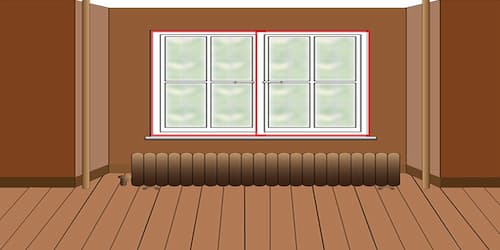
Knowing when to replace your baseboard heater depends on factors such as its age, extent of damage, energy efficiency, safety concerns, and the cost of repairs versus replacement. Assessing these factors can help determine if upgrading to a new heater is necessary.

Recommended Products
Receive special deals and more, right to your inbox
Receive special deals and more, right to your inbox