

What Does UL Listing Mean?
In the electrical industry, the "UL" mark is more than just a sticker—it’s a symbol of safety, compliance, and professional liability protection. Whether you are a facility manager, a licensed electrician, or a DIY homeowner, understanding the nuances of UL certification is critical for passing inspections and ensuring long-term safety.
TL;DR:
UL Listing means that a product has been tested by UL Solutions (a Nationally Recognized Testing Laboratory) and meets specific safety standards for its intended use. It ensures the device is not a fire or electric shock hazard. Unlike "UL Recognized" components, a UL Listed product is a complete end-use item ready for installation.
Recommended Products


UL Solutions: More Than a Logo
Formerly known as Underwriters Laboratories, UL Solutions is a global safety science leader. A common misconception is that UL is a government agency; it is actually a private, third-party testing body recognized by OSHA as a Nationally Recognized Testing Laboratory (NRTL). When something is UL-Listed, that means that the UL has tested the device, and it meets their requirements for safety (fire or shock hazard). Because of this it is highly recommended that all of your electrical products carry the UL seal so that you can ensure the customers safety and satisfaction with your products.
UL-tested products:
- Demonstrate Safety
- Protect Brand Reputation
- Enhance Sustainability
- Deliver Quality and Performance
Why the "UL" Brand Matters
- Legal Compliance: Most local building codes (based on the National Electrical Code / NEC) require listed equipment.
- Insurance Protection: Many commercial insurance policies will not cover damages caused by non-certified electrical equipment.
- Worker Safety: OSHA requires electrical equipment in the workplace to be tested by an NRTL.
Underwriters Laboratories
UL Listed vs UL Recognized vs UL Classified
| Mark | What It Means | Typical Application |
|---|---|---|
| UL Listed | The entire finished product is safe for standalone use. | LED Troffers, Breakers, Toasters, Power Strips |
| UL Recognized | Only a component within a larger machine is certified. | Internal switches, Power supplies, Circuit boards |
| UL Classified | Tested only for specific properties or limited conditions. | Fire-rated doors, Industrial equipment for specific environments |
UL and Underwriters Laboratories are registered trademarks of UL LLC.
Warning: A product containing "UL Recognized" parts is not the same as a "UL Listed" product. If you install a light fixture made of recognized parts that hasn't been listed as a whole, it may still fail inspection.
Not all UL marks are created equal. Using the wrong component in a professional installation can lead to a failed inspection from the Authority Having Jurisdiction (AHJ).
What industries does UL test?
- Adhesives and coatings
- Plastics
- Rubber and elastomers
- Industrial, automotive and aerospace
- Commercial and government
- Packaging and paper
Does UL Listing Guarantee Quality?
A common mistake is assuming that a UL mark means a product is "high quality" or will "last a long time."
UL tests for Safety, not Performance
A UL-listed LED bulb is guaranteed not to start a fire or cause a shock under normal conditions; it is not guaranteed to last 50,000 hours. For performance metrics, you should look for DLC (DesignLights Consortium) or Energy Star ratings.
How to Verify a UL Mark
With the rise of counterfeit products in the e-commerce space, "Self-Certification" is a major risk. You can verify any HomElectrical product (or any electrical device) by checking the UL Product iQ database.
- Locate the UL File Number (usually an "E" followed by several digits) near the logo.
- Enter the number into the UL Solutions Directory.
- If the manufacturer and product match, the certification is valid.
Are There Alternatives to UL certifications?
Verdict: Yes. From a legal and safety standpoint, an ETL Listed product is equivalent to a UL Listed product. While UL is the most recognized, OSHA also recognizes other NRTLs that test at the same ANSI/UL standards.
- ETL (Intertek): Often preferred by manufacturers for faster speed-to-market.
- CSA (Canadian Standards Association): Essential for the North American market.
Shop Certified Electrical Supplies at HomElectrical
HomElectrical puts your safety and your reputation first. We carry over 100,000+ UL Listed and ETL Listed products to ensure your next project is up to code.
Additionally, all of our GFCI receptacles carry this safety seal.
Stay Connected
Recommended Reading
.jpg&w=500&q=75)
GFI and GFCI refer to the same electrical safety device. GFCI stands for Ground-Fault Circuit Interrupter, while GFI is a shortened trade term for Ground Fault Interrupter.
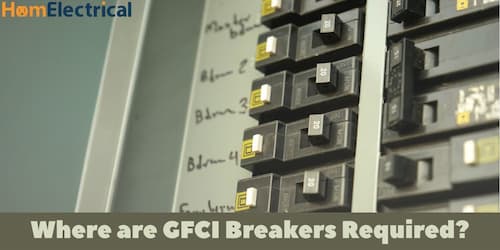
GFCI breakers are installed in main breaker panels to provide ground fault protection across entire circuits, especially in moisture-prone areas like bathrooms, kitchens, and outdoor spaces, as required by the NEC. They serve as an efficient alternative to multiple GFCI receptacles by offering centralized protection and reducing the risk of electrical shock.
.jpg&w=500&q=75)
The Buy American Act (BAA) requires the Federal Government to buy domestically manufactured products while the the Build America Buy America Act (BABAA) extends these requirements to federally funded infrastructure projects with stricter criteria. Learn the differences between these laws in this blog!
Created in 1992, ENERGY STAR represents the official standard for energy efficiency. The EPA uses specific guidelines to determine which products qualify for ENERGY STAR.
Recommended Products
Receive special deals and more, right to your inbox
Receive special deals and more, right to your inbox